
By Cyncier Canada
Parenting multiple children can present unique challenges. Favoritism, however, can have detrimental effects on family dynamics. As siblings grow and develop, parents’ actions can influence their emotional, psychological, and social well-being. Yet favoritism is a common phenomenon in many families. This can often lead to unintended consequences. Therefore, parents should not show favoritism towards one child over the other children (Gozu and Newman).
Parents don’t realize the effects of having a favorite child and what it can do to the children who aren’t favored. When it comes down to there being a favored child there are many things that can be considered on why that child is favored. Some things that can be factored into this are how willing the child is, how extroverted the child is, and the openness of the child (Gozu and Newman).
Favoritism is difficult to explain in the world of parenting. Two things that make it difficult are how much a parent will favor one child over the other and what the child deems fair. Depending on the amount of favoritism shown, unless it was extremely noticeable for the children, it was seen as fair. This means that there are children who understand that their siblings have needs or are different from them and require their parents’ attention in more than one way, so they would see the treatment that they receive as fair. It is also not about how they see the favoritism but how they feel about how they receive the attention (Gozu and Newman).
Children may also perceive favoritism differently. If one received more affection than the other, and the other received more guidance from the parent, it was seen as fair. The reason why it was seen as fair is because they still received their parents’ attention, just in different ways. This can also mean that the attention that the children received, whether it be affection or guidance, was something that they deserved to get (Gozu and Newman).
When a parent or the parents have a favorite child, it influences not only the unfavored child or children but also the relationship between siblings. When children perceive one sibling receiving more love, affection, or encouragement, they can experience emotions like jealousy, resentment, and feeling inadequate, this can lead to increased sibling rivalry and conflict. As a long-term effect of these feelings, it can lead to a deterioration of the relationship between siblings (Ye et al.). As a result of the favoritism, both favored and unfavored children may experience lasting effects that will carry on within them throughout their lives.
Research suggests that the effects of favoritism can extend beyond childhood. There are studies that have shown childhood relationships, that have been influenced by parental treatment, can persist into adulthood. Adult experiences and perceptions can maintain or alter these relationships, making it difficult to distinguish cause and effect in one’s life. The transition to emerging adulthood brings challenges to living arrangements and opportunities for new parental interactions, potentially reinforcing favoritism patterns (Gozu and Newman).
Children can see the discrepancy in how they are treated compared to their favored sibling, which can harm their emotional and psychological development. When parents treat siblings with a greater sense of favoritism, it can lead to the unfavored children internalizing and externalizing negative behaviors. Children who are less favored will likely end up comparing themselves more to their favorite sibling (Jensen and Thomsen). These negative emotions and behaviors are just some of the challenges unfavored children experience. While favoritism can happen in typical family situations, there are some other factors and outcomes to consider, especially in more complex, family dynamics.
During a study, there was a sibling who spoke about their own experiences with having a sibling with a disability. They talked about how they pointed out on more than one occasion the differences in how they were disciplined, or how he was asked to do something when the sibling with the disability was more than capable. Sometimes they were requested to be the bigger person and do what was necessary (Jajodia and Roy). This creates the narrative that the sibling with a disability gets more of a pass because of this disability.
There are times when parents have children with disabilities. Some of the effects on the relationship between favored siblings and the non-favored siblings still can occur but the relationship between the parents and non-favored siblings can also be impacted. When there are multiple children, especially when one has a disability, it can affect the parent and non-favored children’s relationship as well (Jajodia and Roy). The relationship suffers in negative ways, ultimately affecting all parties involved.
When parents have multiple children, especially one with a disability, it can lead to the typical children gaining another set of expectations. There are some families where the expectation of taking on more responsibility, if not towards their sibling, then, in general, is unexpectedly thrust upon them without as so much as a warning. As a result, they must adjust to these new responsibilities and make compromises (Jajodia and Roy).
Within a study, a mother noted how her typical developing child had become emotionally independent and resilient, almost numb to others when they say something or act a certain way towards her. She noticed this as a feat of strength in this being a good way to be within the society today. However, a typical developing child said that during the years of preference for treatment, their parents showed towards the sibling with the disability, they learned to not expect much. They grew over time to understand that their emotional needs won’t be met unless exerting extreme emotion (Jajodia and Roy).
The way that the parents will treat their neurotypical children compared to the ones with a disability can be quite different. Parents who have a child with a disability must spend significantly more energy and time with them. This leaves the parents with less energy to devote to their other children. Parents also tend to show different behavior toward their children. Studies reveal parents have more tolerance and lenience with their child with the disability than with their typically developing children (Jajodia and Roy).
These few factors alone can have major impacts. Children without disabilities can feel neglected due to the lack of time, attention, and affection from their parents. This, combined with differences in treatment and tolerance, can lead to increased stress in these children compared to their siblings with disabilities. The relationship between the child and parents is affected, causing conflict, distress, and emotional distance between them (Jajodia and Roy).
Favoritism in families can have lasting and detrimental effects on children’s emotional, psychological, and social development. When parents show favoritism, it can lead to sibling rivalry, low self-esteem, and strained parent-child relationships. Additionally, favoritism towards a child with disabilities negatively affects their siblings., leading to feelings of neglect and increased stress. Parents should not show favoritism towards one child over the others. To resolve this issue, parents should communicate openly with children to create understanding about the different needs of each child and why attention may need to be divided differently.
Work Cited
Gozu, Hamide, and Joan Newman. “Parental Differential Treatment of Siblings and Fairness Perception: Moderating Role of Personality.” Journal of Child & Family Studies, vol. 29, no. 11, Nov. 2020, pp. 3129–41. EBSCOhost, https://doi-org.ctcsu.idm.oclc.org/10.1007/s10826-020-01811-4.
Jajodia, Preeti, and Paramita Roy. “Sibling Issues in Disability: A Thematic Analysis of Sibling, Parent & Expert Perspectives.” International Journal of Disability, Development & Education, vol. 70, no. 7, Nov. 2023, pp. 1392–409. EBSCOhost, https://doi-org.ctcsu.idm.oclc.org/10.1080/1034912X.2022.2060948
Jensen, Alexander C., and Alexandra E. Thomsen. “Parental Differential Treatment of Siblings Linked with Internalizing and Externalizing Behavior: A Meta‐analysis.” Child Development, vol. 95, no. 4, July 2024, pp. 1384–405. EBSCOhost, https://doi-org.ctcsu.idm.oclc.org/10.1111/cdev.14091.
Ye Xiaolu, et al. “Exploring Relationships in Parental Differential Treatment, Empathy, and Sibling Relationships.” Social Space / Przestrzeń Społeczna, vol. 24, no. 2, Apr. 2024, pp. 1–26. EBSCOhost, research.ebsco.com/linkprocessor/plink?id=83814c57-d8b1-31a6-b5fb-0b0fd05a4028.
Course: ENGL 1010 Spring 2025
Assignment: Research Argument
Instructor: Tiger Rhodes
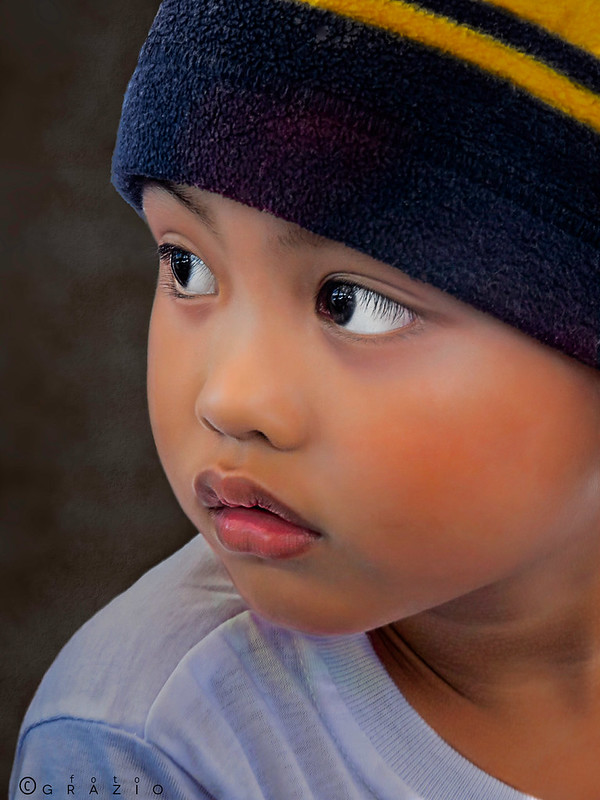
Photo credit: “Big Brown Eyes” by Wayne S. Graszio (Creative Commons license)


Leave a Reply